Organizational Treachery Is If Systems Fail Victims of Sexual Assault

Systemic neglect occurs if academies, churches, offices, or treatment centers do not safeguard persons in the face of sexual abuse

For survivors, the distress of sexual abuse is often intensified whenever the systems they relied upon ignore their complaints, cover up facts, or shield the offender. This experience of being betrayed can affect much more than the abuse itself, leaving victims with lasting trauma that last a long time and a profound distrust in authority. Victims say they felt “hurt two times,” first by the offender who abused them and then by the system that put reputation ahead of accountability. More victims have begun to come forward in the last several years, initiating sexual assault survivor lawsuits against organizations that overlooked warning signs or suppressed worries. They aim to keep these organizations responsible for their failures, which could include mishandled probes, missing records, or disciplining those who speak out. They are doing this with the help of a legal advocate for victims. The court claims typically demonstrate patterns of institutional negligence that extend far into the past, illustrating how hierarchies shielded offenders and abandoned survivors. For some survivors, finally being acknowledged by the justice system is the first time their suffering is legally validated. These lawsuits are also making the public face up to the fact that organizations that say they maintain moral or standards can inflict injury by keeping things secret and denying them.
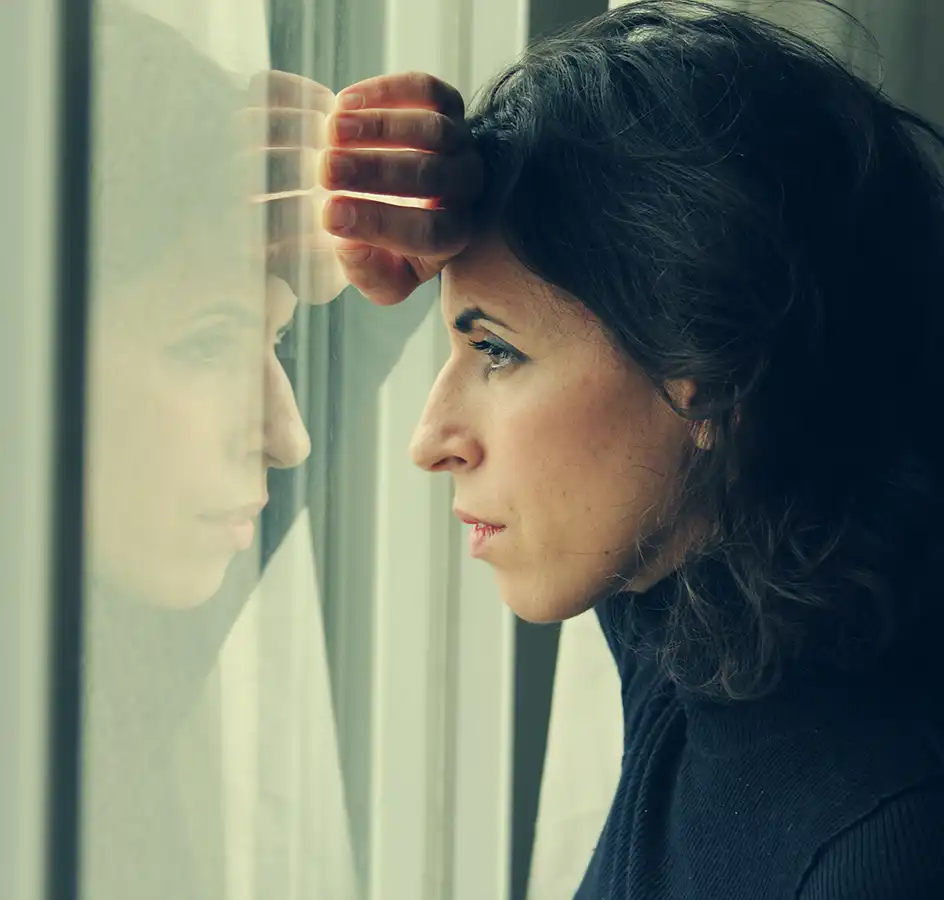
The Department of Health and Human Services says that entities that don’t report or adequately examine sexual abuse make survivors wait longer for justice and result in enduring pain. The studies showed that more than three out of five of survivors who said they were part of a system said their concerns were ignored, trivialized, or met with punishment. Mental health experts say that this neglect deepens suffering, leading to serious trust issues, hopelessness, and even suicidal ideation in certain situations. When the institution is involved in the harm, those affected have to deal with complex red tape that puts liability ahead of healing. Many places still lack anonymous reporting systems or training for their staff that is based on trauma. In certain circumstances, the individuals who are most concerned with maintaining status are the ones who manage probes. This disproportionate control makes survivors feel powerless and vulnerable, which adds to the stigma around sexual abuse. Now, advocacy groups are demanding compulsory independent evaluations of instances of systemic misconduct and the creation of oversight panels led by survivors. They say that openness is important not just for justice but also for restoring confidence in the systems that impact the public. Several countries’ governments are responding by enacting legislation that demands open sharing of investigation results and penalize noncompliance with monetary sanctions. These actions are minor but significant efforts toward stopping secrecy that has been around for a long time.

When we think about the coming years, it’s clear that institutional accountability will be a key element of how communities deals with sexual misconduct. The responsibilities of a sexual abuse survivor lawyer are changing from just personal advocacy to enabling broad transformation via sexual abuse claims, and legislative lobbying.

Keeping Life in Motion: How Mobility Support Helps Dogs Stay Engaged

Keeping Life in Motion: How Mobility Support Helps Dogs Stay Engaged

When a dog begins to struggle with mobility, it can feel like their world is shrinking. Walks become shorter, playtime fades, and simple movements that once felt effortless may turn into daily challenges. Yet mobility limitations don’t have to signal the end of an active, fulfilling life. 

With the right support, many dogs continue to explore, engage, and enjoy their routines. Thoughtful mobility solutions can restore movement in a way that feels safe, natural, and empowering—allowing dogs to stay connected to the moments that matter most.


Why Mobility Loss Affects More Than Physical Movement

Dogs rely on regular movement not only for physical strength but also for emotional balance. When mobility decreases due to aging, injury, or neurological conditions, activity levels often drop as well. Over time, this can lead to muscle loss, joint stiffness, reduced circulation, and lower endurance.

The emotional impact can be just as significant. Dogs may become less confident, more hesitant, or less interested in their surroundings. Some withdraw from interaction, while others show signs of frustration. Supporting movement early helps slow these secondary effects and encourages dogs to remain mentally stimulated. 

Mobility aids are not meant to push dogs beyond their comfort level—they are designed to help maintain participation in everyday life.


How a Dog Wheelchair Supports Natural Motion

A properly designed dog wheelchair works by redistributing weight away from weakened or non-functioning limbs while keeping the body aligned and balanced. This allows dogs to use their remaining strength more efficiently and move with greater stability.

Unlike being carried or constantly assisted, a mobility cart promotes independence. Dogs control their pace and direction, which helps maintain coordination and muscle engagement. Many dogs adjust quickly once they realize movement feels easier and less tiring.

This independence often leads to renewed confidence. When dogs can move on their own again, they are more likely to re-engage with familiar routines, environments, and social interactions.


Targeted Rear Support for Common Mobility Conditions

Not all mobility challenges affect the entire body. Many dogs experience weakness primarily in their hind legs while maintaining good strength in the front. Conditions such as degenerative myelopathy, hip dysplasia, spinal injuries, or post-surgical recovery commonly fall into this category.

Rear-support wheelchairs are designed to stabilize the back end while allowing the front legs to move freely. This setup helps preserve a natural gait and reduces fatigue during activity. Because support is focused only where it’s needed, dogs can continue using their front limbs normally, which helps maintain overall strength.

Adjustability is especially important, as a dog’s condition may change over time. A well-built mobility cart can be modified as endurance, strength, or recovery progresses.


Fit, Comfort, and Everyday Usability

Proper fit is essential for any mobility device to be effective. Equipment that shifts, rubs, or places pressure on sensitive areas can discourage use and lead to discomfort. Adjustable height, length, and harness placement ensure correct alignment as a dog moves.

Comfort goes beyond padding. Lightweight frames, balanced weight distribution, and smooth-rolling wheels all contribute to how natural movement feels. When a wheelchair fits well, dogs are more likely to accept it as part of their routine rather than resist it.

Ease of use also matters for caregivers. Simple adjustments and intuitive setup make it easier to use the equipment consistently, which is key to long-term success.


Emotional Benefits of Regaining Independence

Physical mobility and emotional wellbeing are closely connected. When dogs regain the ability to move independently, positive behavioral changes often follow. Many become more alert, more social, and more willing to engage with their environment.

Being able to follow family members, spend time outdoors, or interact with other dogs reinforces a sense of normalcy. These experiences reduce frustration and help rebuild confidence. For many families, the emotional improvement is just as impactful as the physical progress.


Support and Guidance Make a Difference

Introducing mobility equipment can feel overwhelming without clear information. Knowing how to size, adjust, and gradually introduce a wheelchair helps set realistic expectations and reduces stress during the transition period.

This is where Best Friend Mobility stands out. Their focus on education and practical guidance helps caregivers make informed decisions while supporting dogs through each stage of adaptation. Having access to reliable resources makes it easier to adjust equipment as a dog’s needs evolve.

Additional support, educational content, and product information can be found at bestfriendmobility.net, helping families feel confident throughout the mobility journey.


Moving Forward With Confidence and Support

Mobility may change over time, but a dog’s desire to explore, connect, and participate often remains strong. With the right approach, supportive tools, and consistent encouragement, dogs can continue enjoying meaningful movement well into later stages of life.

What starts as a challenge can become a new way forward—one that prioritizes comfort, independence, and quality of life every step of the way.